Elevate Your Property: Skilled Concrete Work for Durable and Stylish Solutions
Upgrading a space with skilled concrete services delivers a remarkable balance of longevity and visual appeal. Expert contractors deliver an array of services, from smooth finishes to stylistic applications. These options not only improve aesthetic quality but also extend the lifespan of surfaces. Recognizing the numerous advantages and uses of concrete can assist in making well-informed choices. What are the key factors to contemplate when selecting the right approach for your project?
Why Concrete Is the Perfect Solution for Your Space
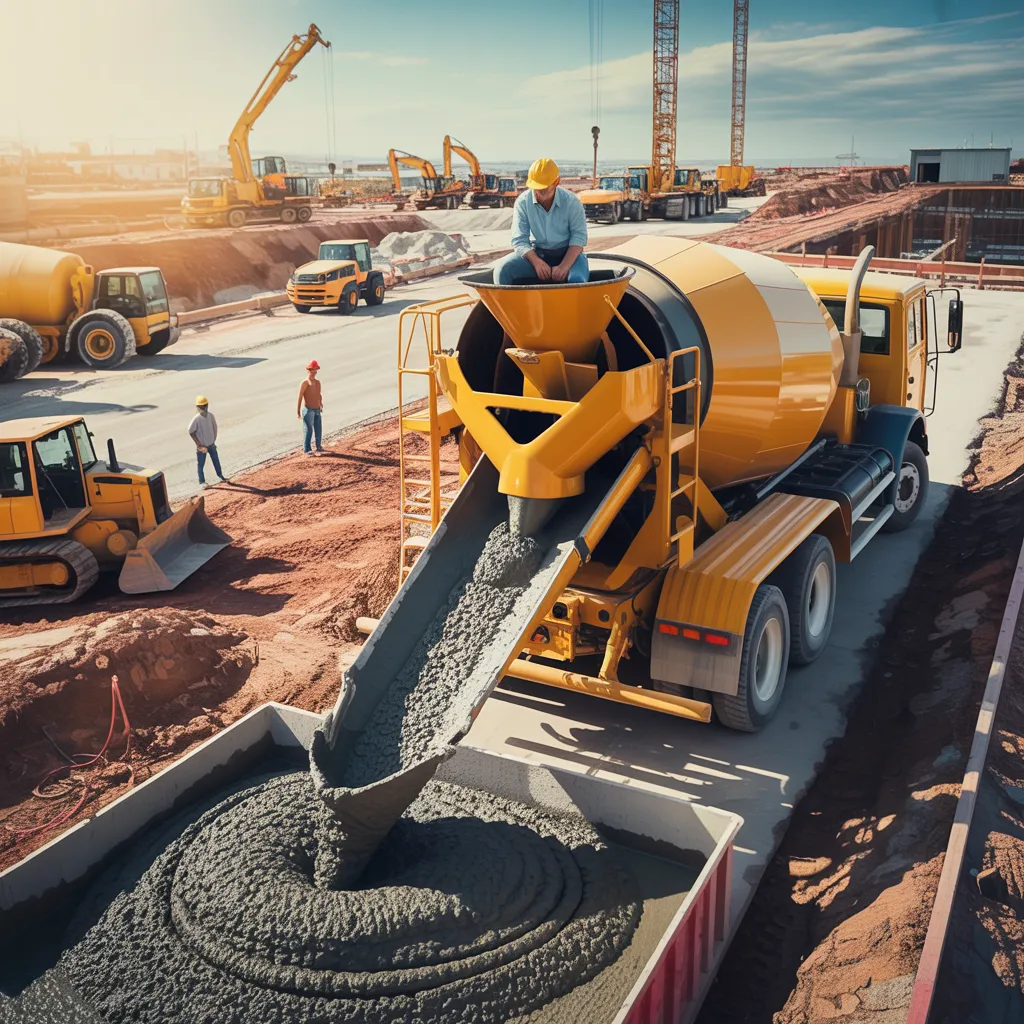
What makes concrete a great choice for renovation projects? Concrete stands out as a versatile and durable material, ideal for various applications in home and business renovations. Its strength guarantees longevity, making it an excellent investment for anyone in need of permanent solutions. Furthermore, concrete demands little maintenance; it withstands daily wear and tear, minimizing the need for ongoing repairs.
The versatility of concrete allows for diverse textures, finishes, and colors, enabling personalization to complement every design preference. Such adaptability can enhance indoor and outdoor environments alike, from flooring to countertops. Moreover, the thermal mass characteristics of concrete contribute to improved energy performance, working to stabilize interior climate and helping to decrease overall utility expenses.
Incorporating concrete into renovation projects not only provides structural integrity but also creates an opportunity for artistic expression. The material's sustainable attributes, including its recyclability, furthermore reinforce its status as a sustainable choice for contemporary renovations.
Premier Concrete Solutions for Residential and Commercial Aesthetics
Concrete offers a plethora of solutions that can greatly enhance the appearance of both commercial and residential spaces. Ornamental concrete, including stamped and stained options, facilitates unique designs that simulate natural materials like stone and wood. This versatility enables property owners to achieve a tailored look designed for their aesthetic vision.
Exposed aggregate concrete offers a textured surface that is not only aesthetically pleasing but also slip-resistant, making it ideal for patios and walkways outdoors. For related article a more contemporary feel, polished concrete acts as a sophisticated base that enhances contemporary design.
Concrete is also highly effective in creating useful components such as furniture, countertops, and sinks, further blending utility with artistry. By incorporating these innovative concrete solutions, homeowners and business owners alike can revolutionize their surroundings, reaching a perfect combination of resilience and refined beauty that stands the test of time.
The Perks of Polished Concrete Floors
Polished concrete flooring provides a wide range of benefits that make them an attractive option for both domestic and commercial settings. First and foremost, their outstanding durability is evident; they can withstand heavy foot traffic, making them ideal for high-use areas. Moreover, polished concrete demands very little maintenance, calling for only straightforward cleaning to keep its gleam. This type of flooring is additionally energy-efficient, redirecting light to boost brightness and cut down on electricity bills.
In addition, polished concrete floors are hypoallergenic, as they do not trap dust mites, allergens, or pet dander, improving indoor air quality. Their versatility allows for a range of aesthetic finishes, from modern minimalist appearances to rustic charm, catering to various styles. Lastly, this flooring option is an eco-friendly choice, often utilizing existing concrete slabs, reducing the need for new materials. In summary, polished concrete flooring merges practicality with aesthetic appeal, establishing them as a versatile option for numerous uses.
Outdoor Uses for Decorative Concrete
Decorative concrete offers an adaptable option for improving outside living spaces through numerous uses. The advantages include attractive appearance and resilience, making it appropriate for patios, walkways, and pool decks. To maintain long-term durability, consistent upkeep practices are required.
Advantages Of Decorative Concrete
With an array of possibilities, decorative concrete gives homeowners and businesses a versatile solution for upgrading outdoor spaces. This material combines aesthetic appeal with practicality, enabling various designs, colors, and finishes that enhance any landscape. One notable benefit is its durability; decorative concrete endures weather extremes and heavy foot traffic, making it perfect for patios, walkways, and driveways. Moreover, it demands minimal maintenance compared to traditional materials, minimizing long-term costs. The slip-resistant surfaces provide safety, especially around pools or in high-traffic areas. In addition, decorative concrete can mimic more expensive materials like stone or tile, delivering a stylish look without the high price tag. In summary, it converts outdoor environments into practical and aesthetically pleasing spaces.
Common Outdoor Uses
Revitalizing open-air areas with decorative concrete reveals countless applications that enhance both practicality and visual appeal. Outdoor living spaces built with patterned concrete deliver an attractive option to ordinary surfaces, imitating the look of brick or wood while delivering durability. Garden paths can be created featuring elaborate designs, guiding guests through outdoor gardens. Entry driveways gain from decorative surface treatments that improve curb appeal, guaranteeing an attractive approach. Fire pits and outdoor kitchens can be created from decorative concrete, establishing harmonious and welcoming entertainment areas. In addition, architectural concrete can be used in landscape walls, merging functionality with visual elegance. In summary, these implementations showcase the adaptability of decorative concrete in providing both elegance and performance in open-air settings.
Maintenance Tips For Longevity
Preserving exterior decorative concrete necessitates consistent upkeep to ensure its longevity and appearance. To begin, routine cleaning with mild soap and water reduces dirt and grime buildup. It is recommended to utilize a pressure washer from time to time, but vigilance is important to protect the surface from harm. Sealing the concrete periodically guards it from moisture and stains, improving its longevity. Additionally, quickly addressing fractures or chips is critical; applying an appropriate repair compound can prevent further deterioration. Throughout the colder season, using a de-icing product that is concrete-friendly limits damage from freezing and thawing. In conclusion, refraining from using heavy equipment on decorative surfaces maintains their structural integrity and visual charm. Following these upkeep routines guarantee that outdoor decorative concrete continues to look stunning and hold up well over time.
Selecting the Ideal Concrete Finish for Your Space
Identifying the appropriate concrete finish can significantly determine the aesthetics and functionality of a space. Numerous popular finish options can be found, each with unique characteristics that accommodate diverse design tastes and functional needs. Considerations such as environmental conditions, intended use, and maintenance requirements also are fundamental to determining the most suitable choice.
Frequently Chosen Finish Options
When it comes to improving a space, selecting the appropriate concrete finish can be a game changer. Common choices include polished concrete, known for its sleek, reflective surface that brings a contemporary feel. Exposed aggregate surfaces highlight the natural appeal of stones, providing a textured look that is simultaneously durable and visually appealing. Stamped concrete designs provides versatility, imitating the aesthetic of materials like brick or stone, perfect for patios and walkways. Additionally, decorative overlays can breathe new life into aging surfaces while enabling customization in color and pattern. To conclude, matte concrete finishes offer a subtle, understated elegance, perfect for interior spaces. Each finish presents unique characteristics, catering to various aesthetic preferences and functional needs.
Elements That Shape Selection
What aspects should one examine when selecting the ideal concrete finish for a room? First, the planned purpose of the space is critically important. High-traffic zones may require more durable finishes, while spaces designed for aesthetics can emphasize appearance. Additionally, surrounding conditions, like moisture levels or temperature variations, impact which finish is most suitable, as some may be more suitable for outdoor applications. Care and maintenance needs should also be factored in; certain finishes may demand more upkeep than others. In conclusion, the chosen design style and color tones should harmonize with the overarching design plan, ensuring harmony and cohesion. By evaluating these key aspects, one can select a concrete finish that meets both functional and aesthetic needs effectively.
Care for Your Concrete Surfaces the Right Way
A well-maintained concrete surface can considerably boost the aesthetic and practical value of any space. Regular maintenance is essential to increase the longevity of concrete, guaranteeing it remains both strong and aesthetically pleasing. The first step is cleaning; employing a broom or pressure washer helps clear away dirt and debris. For difficult stains, a mild detergent can be effective.
Surface sealing represents another vital step. A high-grade sealant provides protection from moisture, oils, and stains, decreasing the risk of cracking and discoloration. It is advisable to reapply the sealer every few years, according to the degree of wear and tear.
Additionally, handling cracks as soon as they appear prevents further damage. Filling small cracks with appropriate sealants makes for an efficient restoration. Lastly, keeping aggressive chemicals and heavy machinery away from the surface will help maintain its integrity. By implementing these practices, property owners can keep their concrete surfaces performing at their best for many years.
How to Find the Ideal Concrete Service for Your Project
Picking the ideal concrete provider for a construction project can profoundly influence both the standard of the work and overall outcome. To ensure a successful outcome, one should start by researching nearby contractors with strong reputations. Customer reviews and testimonials can provide helpful information into their dependability and professionalism.
Moreover, it is vital to confirm their certifications, including licensing and coverage, to prevent potential risks. A thorough collection of work highlighting previous work can also support assessing the specialist's expertise. Moreover, requesting various pricing proposals facilitates a greater understanding of the offerings and associated costs.
Clear communication is vital; picking a company that attends to individual needs and provides personalized solutions can boost the project's success. Additionally, inquiring about guarantees and ongoing support after project completion can help ensure lasting satisfaction. By keeping these principles in mind, individuals can comfortably identify a concrete service that fulfills both decorative and structural demands.
Common Questions and Answers
How Long Does It Take for Concrete to Cure Before Use?
The full curing process for concrete takes approximately 28 days, although the initial setting process happens within 24 to 48 hours. Over this curing period, the material develops its strength, which makes it important to refrain from heavy use until it has properly cured.
Is It Possible to Install Concrete Over Existing Flooring?
Yes, concrete can be placed over an existing floor, so long as the surface is clean, stable, and free of debris. Proper preparation provides a strong bond and reduces the risk of unevenness or cracking in the finished product.
What Should I Do if My Concrete Develops Cracks?
Should concrete begin to crack, the first step is to assess the damage. Thoroughly clean the area, then fill the cracks with a suitable filler. For severe damage, it is advisable to consult a professional for repairs.
Do Eco-Friendly Concrete Options Exist?
Yes, eco-friendly concrete options exist, such as recycled materials, pervious concrete designed for water drainage, and low-carbon cement alternatives. Such options lower environmental impact without compromising durability or performance, appealing to environmentally conscious consumers and builders alike.
How Does Weather Affect the Concrete Installation Process?
Weather factors considerably affect concrete placement and installation. Fluctuating temperatures, moisture levels, and wind have the potential to affect the curing duration, material strength, and overall performance. Perfect conditions commonly feature mild temperatures and minimal humidity, guaranteeing the best possible outcome for the concrete.
Final Overview
In summary, skilled concrete solutions deliver a remarkable combination of durability and aesthetic appeal, rendering them an excellent option for both commercial and residential properties. Given the wide range of available finishes, like polished, stamped, and decorative styles, property owners have the ability to accomplish a tailored look that matches their specific preferences. By investing in expert concrete services, clients are able to improve their properties while taking advantage of the enduring advantages of low maintenance and energy efficiency. Transforming spaces has never been easier.